
Online PCOS Yoga Classes — Manage Symptoms Naturally
Your hormones are the problem. Not your willpower.
We don’t start with your weight. We start with your cycle, your energy, and what your body actually needs — through yoga and breathwork built specifically for PCOS.
PCOS management through yoga in practice — several systems moving in the same direction, together.
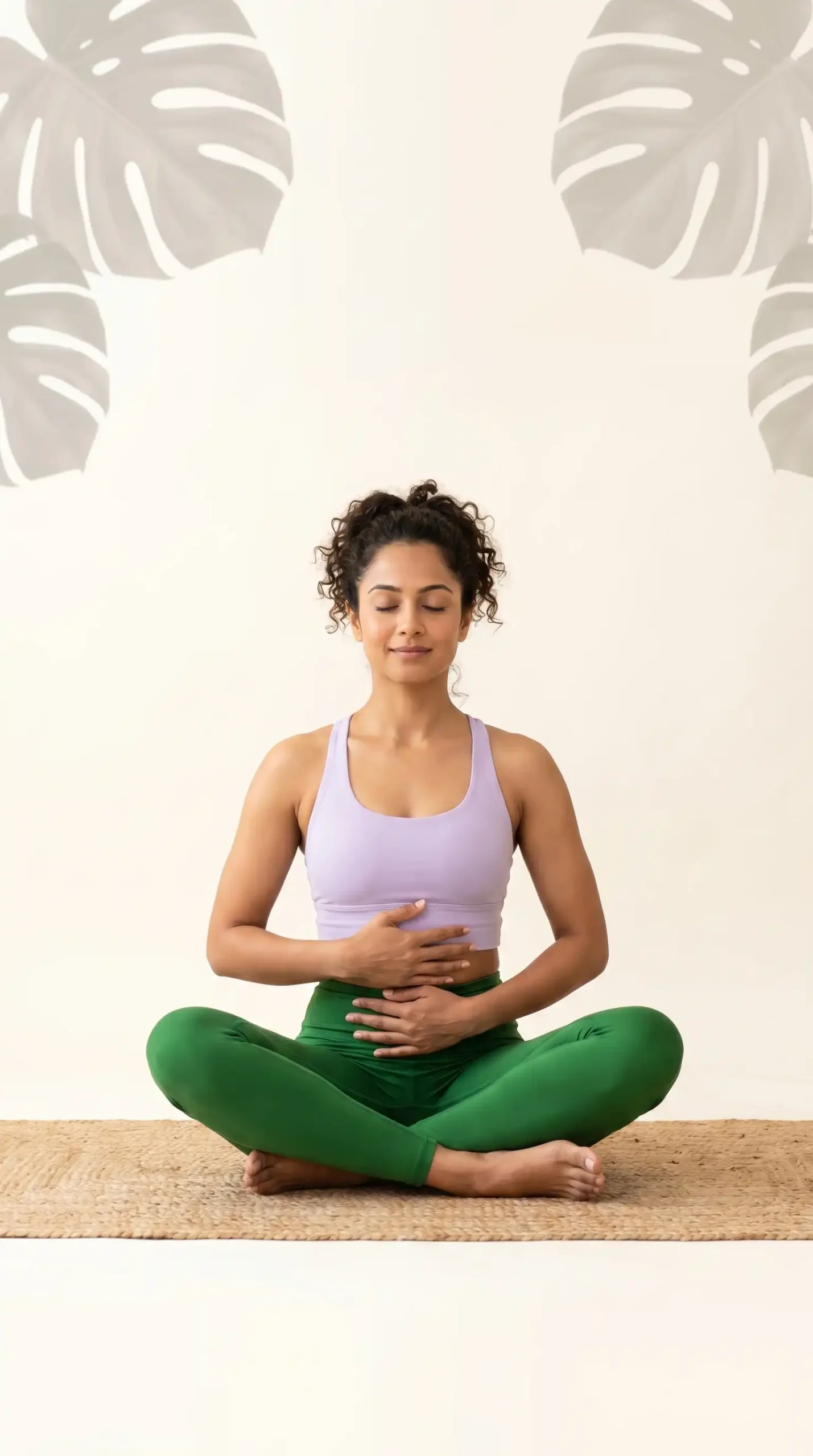
What PCOS is actually doing to your body?
PCOS is one of the most common hormonal conditions out there — and one of the most misunderstood, even by the women living with it every day.
Something’s gone a little off in the conversation between your ovaries, your insulin, and your stress hormones. For you it might be periods that show up whenever they feel like it. For someone else it’s weight that won’t move, acne that keeps coming back, or exhaustion that doesn’t make sense after a full night’s sleep.
None of it is in your head. None of it is your fault. Your body isn’t broken — it’s just out of rhythm. And rhythm, with the right support, can come back.
This is where a thoughtful approach to PCOD yoga classes earns its place — not as a quick fix, but as steady, patient support for your reproductive health and hormonal wellness, built to last.
How stress quietly makes PCOS worse?
Stress and PCOS feed each other in a loop that’s hard to break alone.
Chronic stress raises cortisol, which disrupts insulin sensitivity and worsens the hormonal imbalance at the root of PCOS. Worsening symptoms create more stress. The loop keeps going.
This is why yoga for PCOS symptoms works differently than pushing harder at the gym. It calms the nervous system that’s been keeping that loop running. Genuine stress reduction is often the missing piece medication alone simply can’t reach.
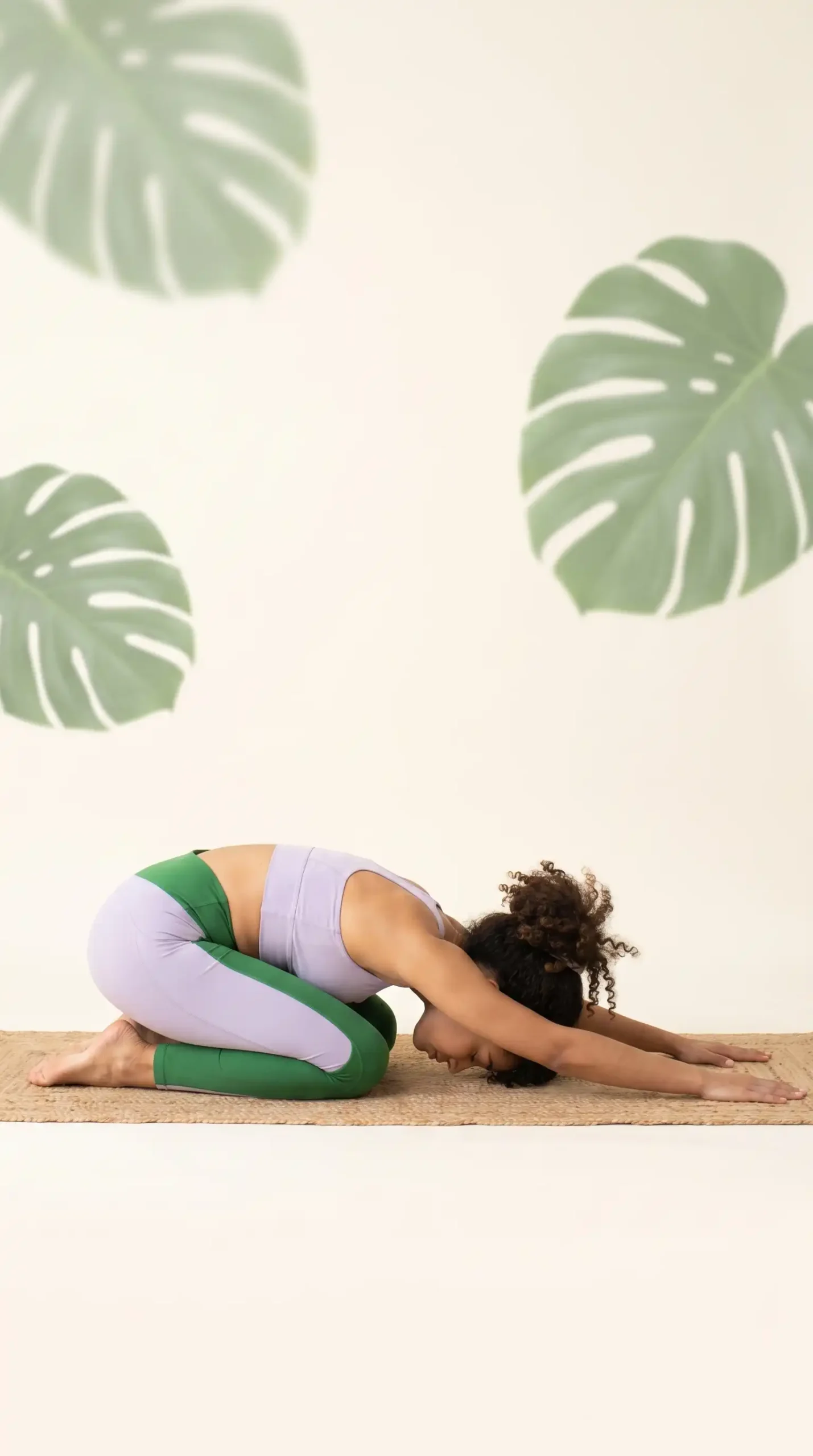
How Yoga Helps PCOS — The Real Mechanisms
Here’s what’s actually happening in your body during practice:
Cortisol regulation
Slow, intentional movement and breathwork lower cortisol, supporting better insulin sensitivity and hormone balance. This is the same principle behind our weight loss yoga programme — because for many women with PCOS, weight and hormones are the same problem.
Improved blood flow to reproductive organs
Certain postures increase pelvic circulation, supporting ovarian health and cycle regulation
Better insulin sensitivity
Regular movement improves how your cells respond to insulin, a central issue in PCOS
A calmer nervous system
Your hormones function better when your body feels safe
Poses That Support Hormonal Regulation
A few categories of poses form the backbone of every session:
Twist poses
Gentle spinal rotations that massage the abdominal organs and support endocrine health
Hip openers
Release tension in the hips and pelvis, improving blood flow — especially valuable for cycle irregularity
Forward folds
Calm the nervous system and ease anxiety
Gentle backbends
Stimulate the adrenal glands and support steadier energy
Why medication alone often isn’t enough
Medication has its place here, and we’ll never tell you to stop something your doctor has prescribed.
But medication treats what’s showing up on the surface — the irregular cycle, the insulin resistance, the elevated levels. What it can’t as easily touch is the stress response, the sleep patterns, and the way your nervous system has learned to stay permanently switched on. Those things quietly drive a lot of what you’re experiencing, and they respond to a completely different kind of support.
It can help regulate a cycle, but it can’t teach your nervous system to stay calm under daily pressure. A genuine PCOS wellness program works alongside your medical care, not instead of it — filling the gap between symptom management and real hormonal wellness.
Lifestyle and Nutrition Support, Woven In
Yoga alone can do a lot. Paired with thoughtful nutrition and lifestyle support, it does considerably more.
Sleep and stress regulation are also a core part of our Pranayama and Meditation programme — which many of our PCOS students practice alongside their main sessions for deeper nervous system support.
You’ll receive practical nutrition guidance built around how your body processes food and manages blood sugar, using foods already in your kitchen rather than expensive supplements. You’ll get sleep and routine support too, since poor sleep worsens both insulin resistance and cortisol regulation. Every change is gentle and sustainable — never restrictive dieting that adds more stress to a body already carrying too much.
This is what makes our PCOS wellness program different from a standalone yoga class. Your hormones don’t separate movement from food from sleep — and real women’s wellness support doesn’t either.
Pranayama for Adrenal and Stress Support
Anulom Vilom (alternate nostril breathing)
Balances the nervous system and reduces stress load
Bhramari (humming bee breath)
Eases anxiety and racing thoughts tied to hormonal imbalance
Slow diaphragmatic breathing
Signals your nervous system out of fight-or-flight, supporting healthier cortisol patterns
Why does live guidance matter?
0-10 Mins
Gentle warm-up — twists and hip openers begin
10–35 Mins
Hormone-focused poses — twists, hip openers, backbends
35–50 Mins
Pranayama — Anulom Vilom and Bhramari for stress
50–60 Mins
Forward folds and rest — calming close
Frequently Asked Questions
Can yoga cure PCOS?
No. There’s no cure for PCOS, but yoga genuinely supports hormonal balance and helps your body manage it better.
Is it safe to exercise with PCOS?
Yes, and it’s actually encouraged. Gentle, targeted movement like ours supports your hormones without overstressing your system.
How is this different from a normal yoga class?
Are there any contraindications or precautions?
We start with a consultation to understand your health picture and adapt your practice accordingly. Always continue any treatment your doctor has prescribed.
How quickly will I see results?
Calmer moods and better sleep often show up within two to three weeks. Cycle regularity usually takes two to three months of consistent practice.
Your hormones have been out of rhythm long enough.
One conversation with Geetanjali is all it takes to start. She’ll ask about your cycle, your symptoms, your lifestyle — and build a programme around what your body actually needs right now.