
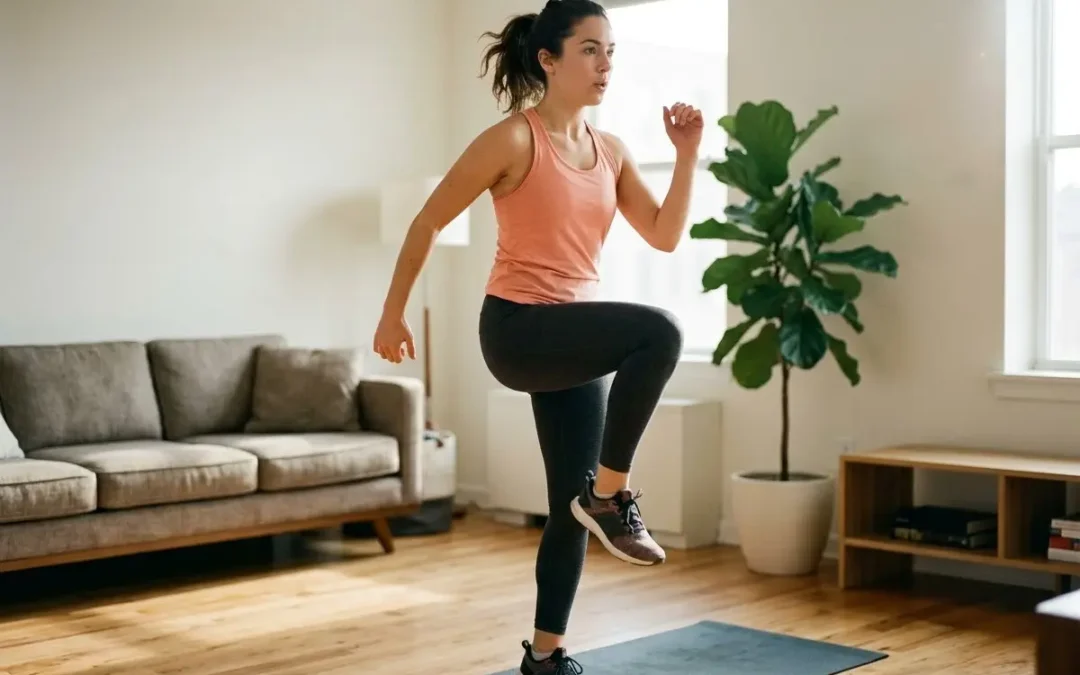
Here’s something most fitness content won’t tell you straight: you don’t need a gym, a set of dumbbells, or knees tough enough to survive jump squats to actually burn fat. It sounds like a stretch, but it holds up — and it’s exactly why online fat burn cardio classes have become such a genuinely useful starting point for anyone who’s avoided cardio because every version they’ve tried left them sore for days afterward.
The part nobody says loudly enough: high-impact doesn’t automatically mean more effective. A well-built low-impact cardio session, done regularly, burns real calories and builds actual stamina, without the burpees and jump lunges that send so many beginners limping to a physio within the first two weeks. What actually matters is heart rate, consistency, and how your intervals are structured — not how hard your feet are slamming into the floor.
This guide walks through what a decent beginner cardio class should actually look like, which platforms are worth your time, and a simple three-step plan you could realistically start this week.
Key Features of Ideal Beginner Cardio Workouts
Low-impact movements that still get the job done
Trade burpees for step-jacks. Trade jump squats for modified squats. Trade high-impact jumping jacks for high-knee marches. These low-impact versions raise your heart rate about as effectively as the high-impact ones, just without the joint pounding that has most beginners quitting by week two. The point isn’t to make things easier on yourself — it’s to avoid the kind of repetitive impact that wrecks knees and ankles before your actual fitness has even had a chance to build.
Structured intervals beat random effort
A 40-seconds-on, 20-seconds-off work-rest pattern is a solid place for beginners to start. Long enough to genuinely push your heart rate up, short enough that you’re not gasping and ready to quit by minute three. Unstructured cardio — just moving until you’re wiped out — tends to either undertrain you or overtrain you, with almost nothing useful in between.
Keep moving during rest, don’t fully stop
During that 20-second break, stay in motion — a light march in place instead of standing completely still. It keeps the blood flowing and stops your heart rate from crashing too hard between rounds, which honestly makes the next interval feel a lot less like starting from scratch.
If a “beginner” cardio class has you doing high-impact jumps back-to-back with zero rest structure, that’s usually a sign it wasn’t built with beginners in mind, no matter what the title says.
Top Platforms & Classes to Join
Live & app-based programs
Cult.fit (cultpass LIVE) runs a calorie-crush series with live tracking and energy metrics — works well if seeing real numbers on screen keeps you motivated mid-session.
Studio FIT India offers interactive live virtual workouts led by certified coaches. Better fit if real-time feedback from an actual person matters more to you than a dashboard full of stats.
Joint-friendly specializations
G Fit by Geetanjali Yoga is built around safe metabolism boosts for people with sensitive joints — genuinely helpful if you’re dealing with old injuries, knee issues, or you’re just not ready for high-impact work but still want a real cardio effect. Pair it with a structured core and posture programme if you want strength and stability building alongside the cardio.
Free & on-demand video guides
Body Project (YouTube) offers standing, low-impact routines made specifically for absolute beginners — a reasonable way to test things out before you commit to anything paid.
| Platform type | Best for | Examples |
| Live & app-based | Accountability, real-time tracking | Cult.fit, Studio FIT India |
| Joint-friendly specialized | Joint-sensitive beginners | G Fit by Geetanjali Yoga |
| Free on-demand | Testing the waters, flexible scheduling | Body Project (YouTube) |
What to Look For: Finding the Best Online Fat Burn Cardio Classes for Beginners
No equipment, no excuses
The better beginner classes rely entirely on bodyweight training. If a class calls itself “beginner-friendly” but expects you to own resistance bands or dumbbells from day one, that’s a mismatch. Equipment can come later, once you’ve actually built some base fitness.
Keep the duration realistic
Twenty to thirty minutes hits the sweet spot — long enough for a real cardio effect, short enough that you’ll actually show up three or four times a week instead of dreading it every time.
Coaching that actually coaches
Specific cues matter more than hype. You want an instructor who says things like “keep your knee behind your toes” or “land softly, not flat-footed,” not someone just shouting motivational phrases over loud music. This, more than anything else, is usually the difference between a class that keeps you safe and one that quietly causes an injury.
3-Step Action Plan to Get Started
- Pick your format. Live classes if you want accountability and someone correcting your form in real time; a free YouTube video if you’d rather test the waters with zero commitment first.
- Clear a small, safe space. A 6×6 foot area is plenty — a decent mat or proper shoes matter far more than how much room you’ve got.
- Aim for the minimum, not the maximum. Twenty minutes, three to four times a week. Steady and sustainable beats one brutal session followed by two weeks of recovery and avoidance.
Consistency and smart pacing beat high intensity, basically every time, especially if you’re just starting out. What actually makes people quit cardio usually isn’t a lack of motivation — it’s starting too hard, too fast, and ending up sore or hurt before the habit even gets a chance to stick.
If you’d rather have someone guiding your pace and form from session one, a joint-friendly cardio programme gets you moving safely, without the trial-and-error.
So — are you more of a live-interactive-class person, or someone who’d rather start with a low-impact YouTube video tonight? Let us know in the comments.
Frequently Asked Questions
1. Can low-impact cardio actually burn fat?
Yes, genuinely. Fat burning comes down to sustained heart rate elevation and consistency, not how hard you’re jumping. A properly structured low-impact session burns about as much as high-impact cardio, with a lot less wear on your joints.
2. How many days a week should a beginner do cardio?
Three to four sessions a week, 20 to 30 minutes each, is a solid place to start. More isn’t automatically better — rest days matter just as much for avoiding burnout and injury.
3. Do online fat burn cardio classes require equipment?
No. The better beginner classes stick to bodyweight movements entirely. A mat and a decent pair of shoes is really all you need.
4. Is low-impact cardio okay if I have knee or joint problems?
Generally, yes — that’s exactly the point of it. Moves like step-jacks and modified squats replace high-impact jumping while still getting your heart rate up effectively. Worth checking with a doctor first if you’ve got a diagnosed joint condition, though.
5. How long before I actually see results?
Most people notice better stamina and energy within 2 to 3 weeks of sticking with it. Visible fat loss tends to show up around 6 to 8 weeks in, depending on diet and how consistent you’re being alongside the workouts.